HARDWARE
RX 9070 XT vs RTX 5070 at 1440p: FSR 4 and Ray Tracing
A head-to-head 1440p comparison of AMD's RX 9070 XT and NVIDIA's RTX 5070 across raw raster, ray tracing, and the narrowing FSR 4 vs DLSS 4 upscaling gap.
AMD / NVIDIA Impact: 9/10
Page 7 of 8 for HARDWARE coverage.
SHOWING 73-84 OF 88 HARDWARE ENTRIES
A head-to-head 1440p comparison of AMD's RX 9070 XT and NVIDIA's RTX 5070 across raw raster, ray tracing, and the narrowing FSR 4 vs DLSS 4 upscaling gap.
A benchmark-explainer mapping where 8GB, 12GB, and 16GB VRAM tiers exhaust headroom and begin stuttering at 1440p and 4K across modern game workloads.
RX 9070 vs RTX 5070 at the same $549: AMD's 13% raster lead at 1440p and 16GB versus NVIDIA's ray tracing and DLSS 4 upscaling.
AMD's RX 9070 and 9070 XT bring 16GB at $549 and $599 plus a raster win over the RTX 5070 and FSR 4's upscaler is finally competitive with DLSS 4 Quality.
Why 3D V-Cache chips like the Ryzen 7 9800X3D own 1% lows in CPU-bound RTS and MMO titles, and when Intel's Core Ultra 7 265K is the better buy.
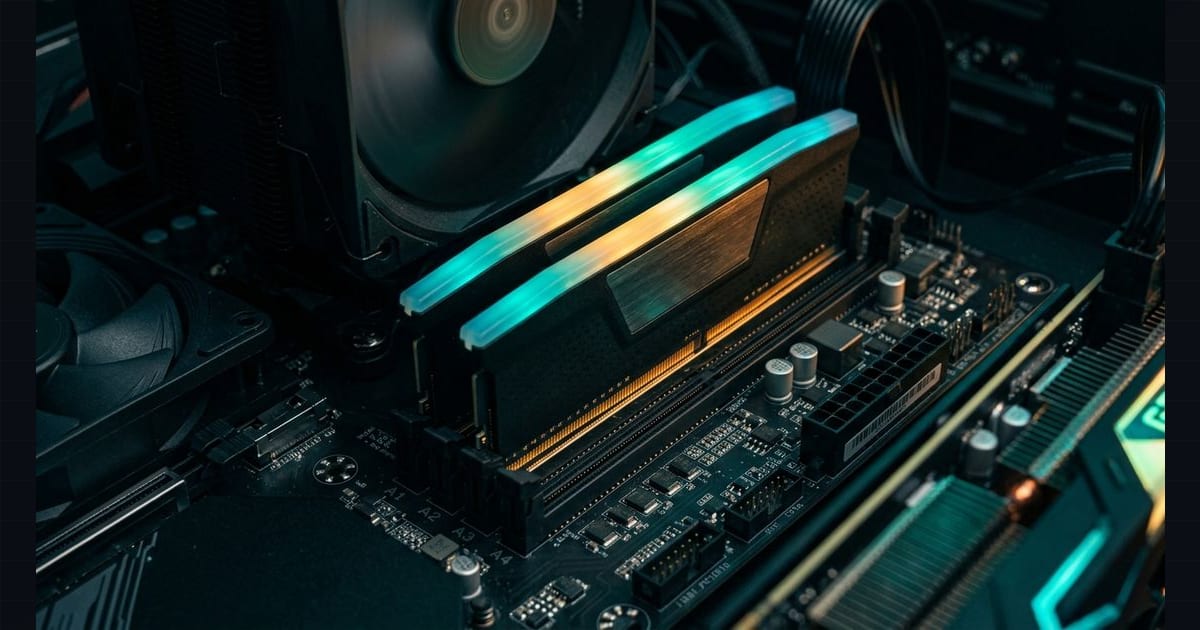
How CXMT's 17nm and 18nm DDR5 volume ramp aims to cut mainstream kit prices by 15% to 22%, and why 32GB is heading back to default.
Technical breakdown of GDDR7 memory speeds, 16GB VRAM minimum requirements for 1440p ray tracing, and PCIe 5.0 bus bandwidth in 2026 graphics cards.
Eleven games measured from SATA to PCIe 5.0: peak drive bandwidth rarely passed 5 GB/s in play, and none of the extra speed turned into frame rate.
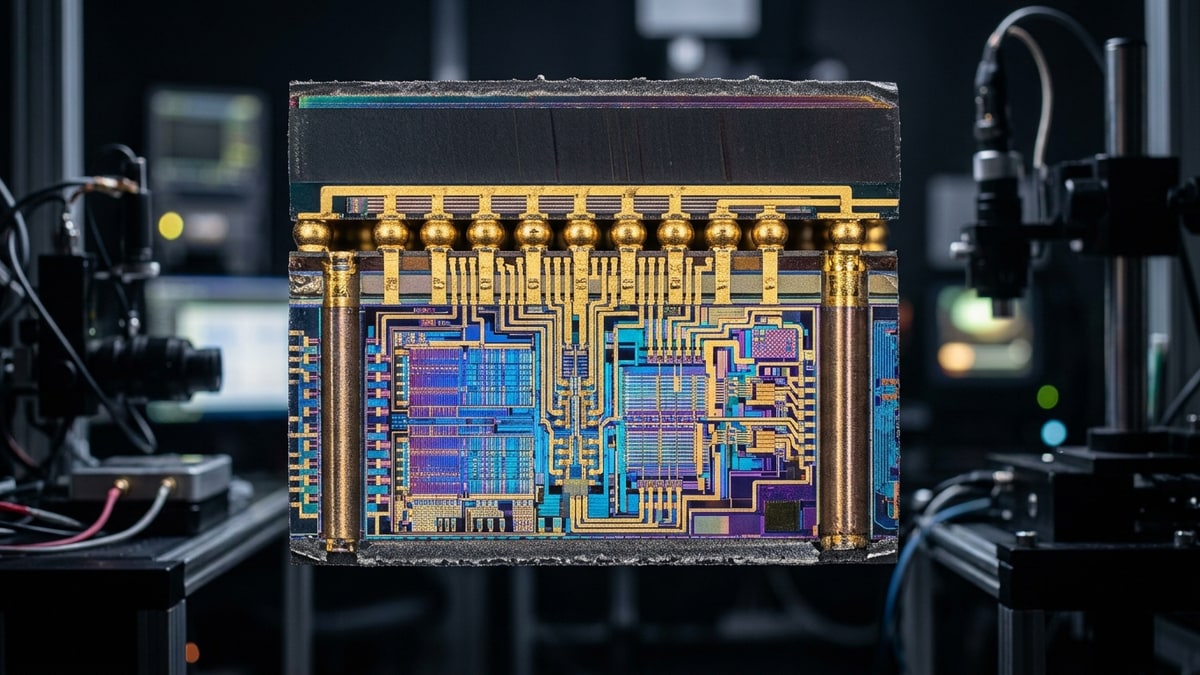
Panther Lake is a codename for Core Ultra Series 3 mobile processors developed by Intel.
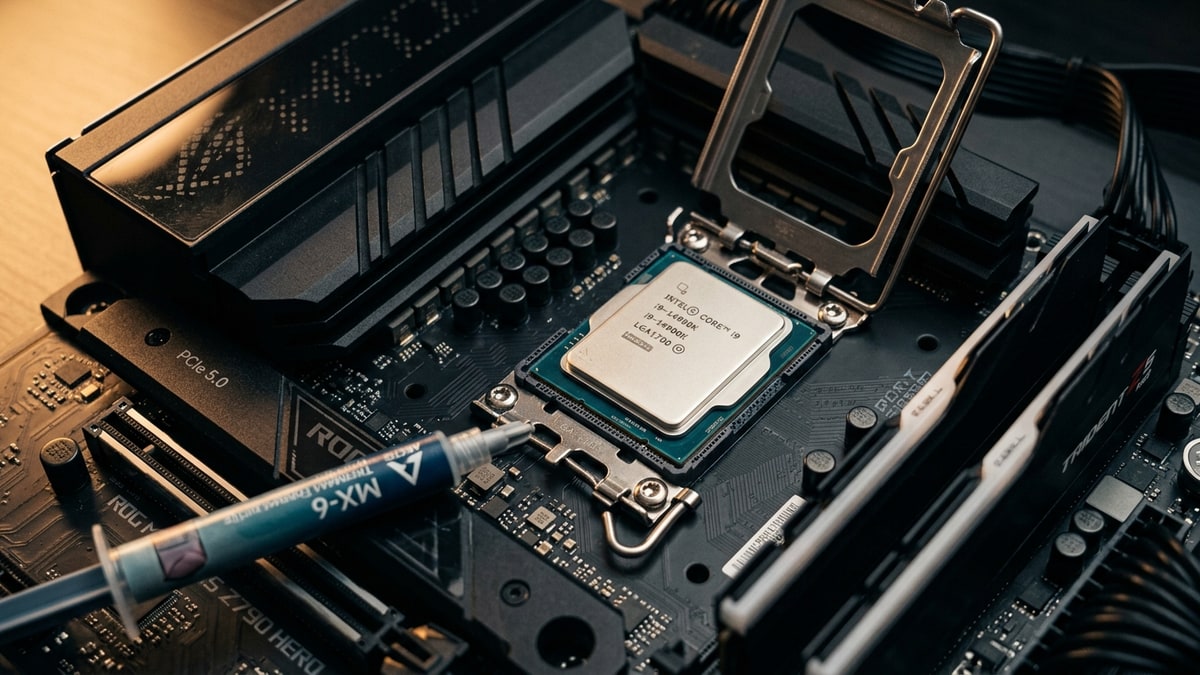
Nova Lake is a codename for Core Ultra Series 4 desktop and mobile processors developed by Intel.

What Zen 5's two-ahead branch prediction, wider front-end, and N4X node change for Ryzen 9000 and why branch-dense RTS and MMO code benefits most.
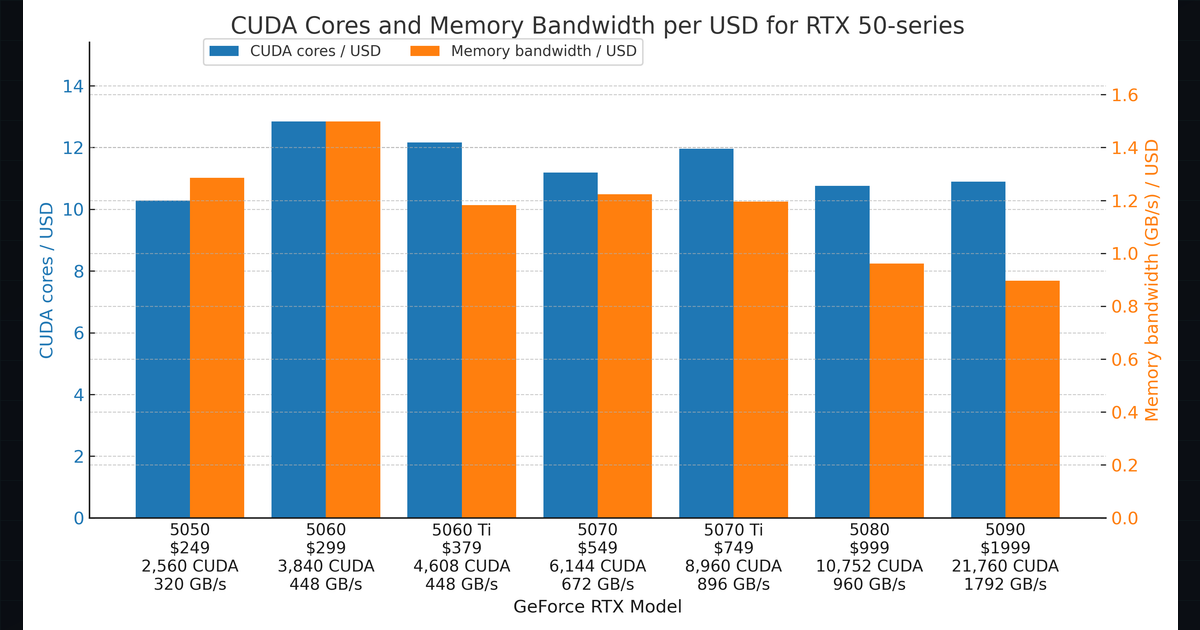
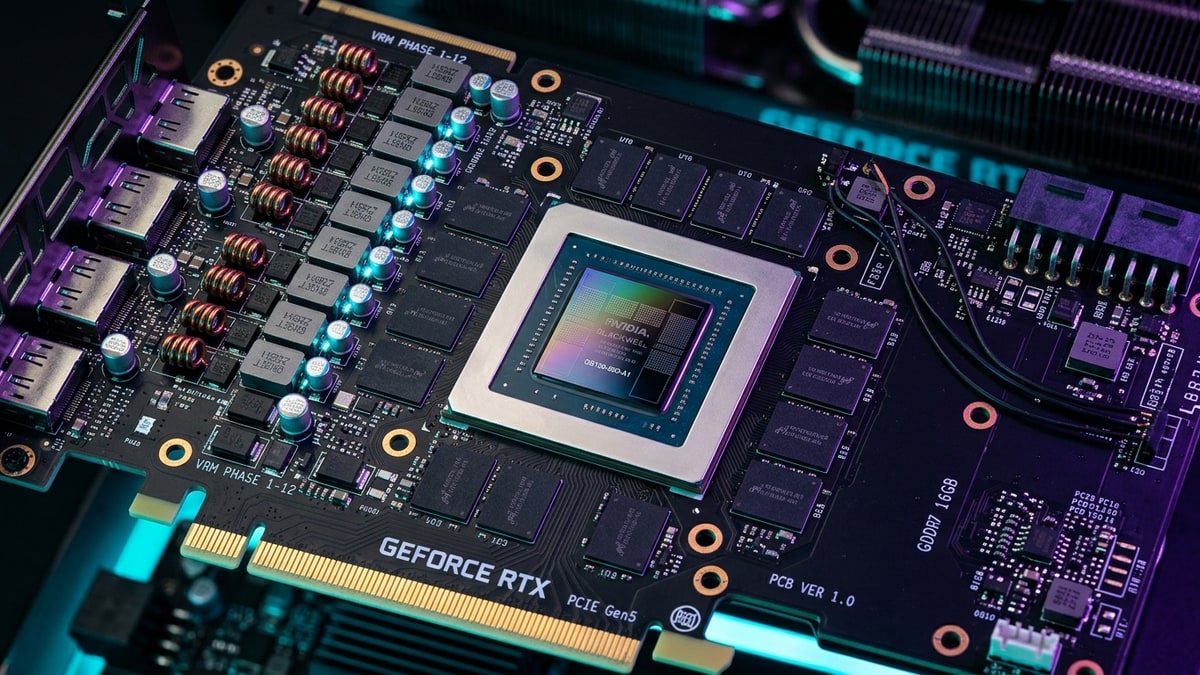
GeForce RTX 50 series is based on Nvidia's Blackwell architecture with fourth-generation RT cores and fifth-generation Tensor Cores