PS5 Pro Enhanced Label: PSSR, Ray Tracing or 120 FPS
The PS5 Pro Enhanced label covers PSSR upscaling, ray tracing, or a 60/120 fps mode — which confirmed titles pull which lever, and what each changes.
Page 6 of 8 for HARDWARE coverage.
SHOWING 61-72 OF 88 HARDWARE ENTRIES
The PS5 Pro Enhanced label covers PSSR upscaling, ray tracing, or a 60/120 fps mode — which confirmed titles pull which lever, and what each changes.
What the upgraded PS5 Pro PSSR changes: an ML upscaler co-developed with AMD, about 100 microseconds faster, and a toggleable system-level override.
The FSR 4.1 backport to Radeon RX 7000 and what it does to used value: the frames it costs versus FSR 3.1, and how the 7900 XT stacks up.
Why the 8-core 9800X3D's single 96 MB cache CCD often beats the 16-core 9950X3D in games, and when the scheduler breaks that lead.
Why MMO cities, late-game RTS, and 1080p esports are CPU-bound in 2026 — and how AMD's stacked 3D V-Cache widens its lead in exactly those scenes.
Ranks 2026's CPUs for CPU-bound genres using sim-step benchmarks in Stellaris, Age of Empires IV, and large MMO siege scenarios.
Across 12 games, DLSS 4's transformer model leads on motion and thin geometry, while FSR 4 and XeSS 2 trade quality for hardware reach.
Why a 2026 laptop GPU name tells you almost nothing: the same chip ships across a 40+ watt TGP range, so panel, cooling and VRAM decide the real tier.
OLED, Mini-LED, or IPS in 2026: where each panel fails, how real the burn-in risk is, and where 240Hz and 360Hz stop being perceptible.
Three concrete 2026 part lists at $1k, $1.5k, and $2.5k, each with the bottleneck it hits first and the cheapest upgrade that unsticks it.
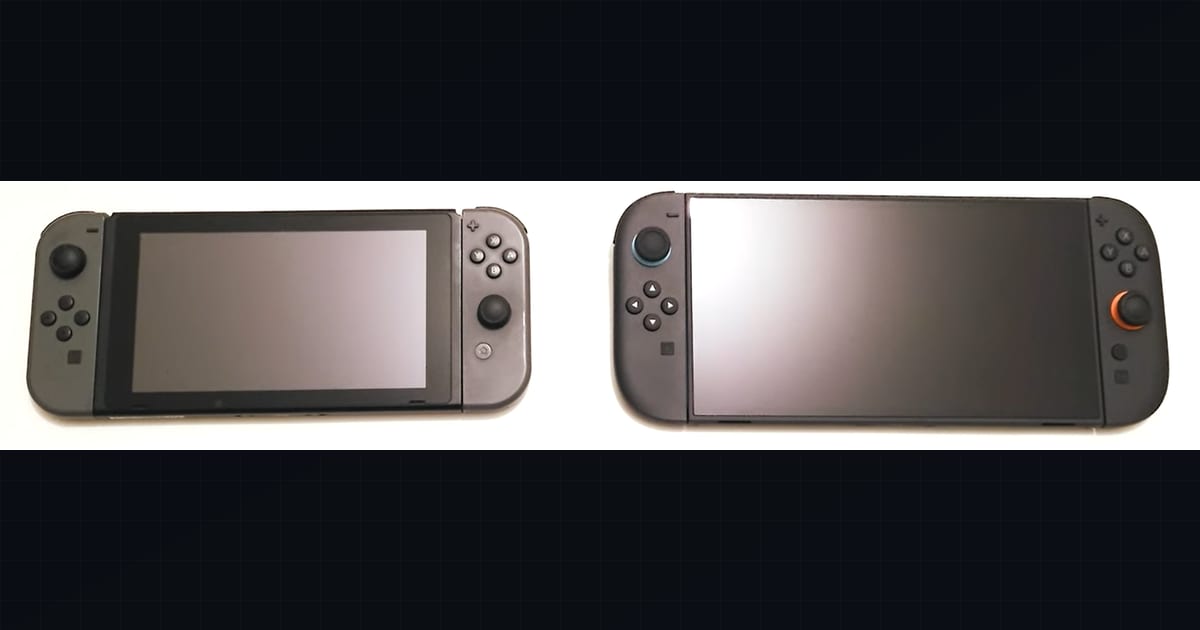
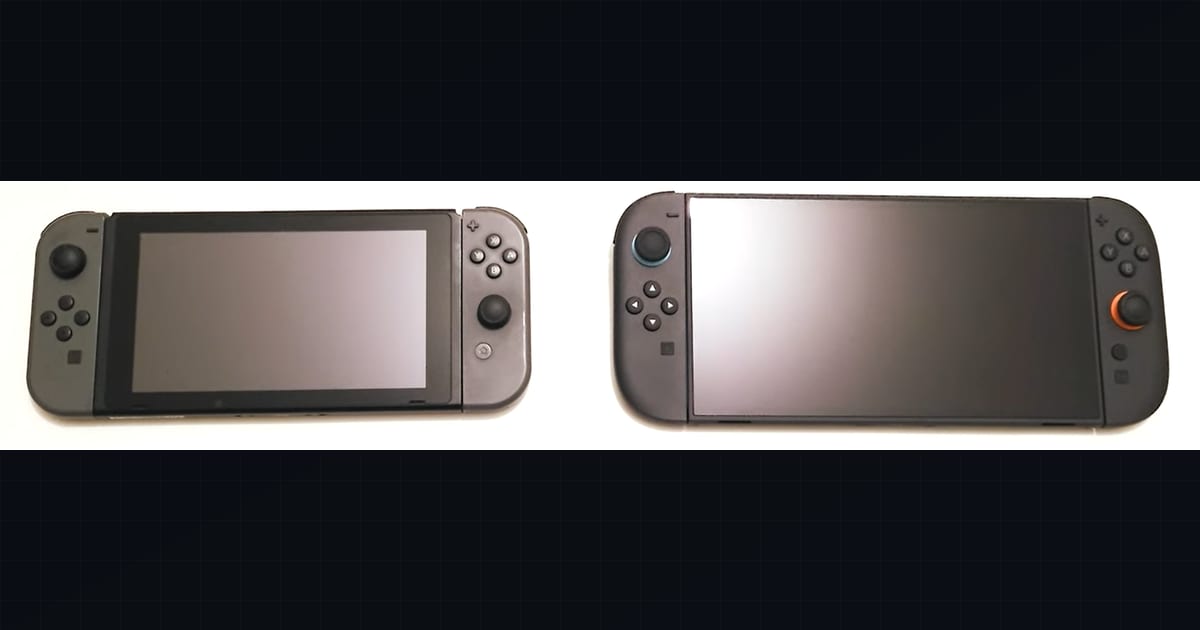
Switch 2 runs two power profiles, and DLSS is what hides the gap: higher docked GPU clocks, a 15W handheld budget, and sub-540p internal renders.
A lean native launch lineup and near-full backward compatibility for the original Switch catalog, plus first patches that fixed Joy-Con 2 desync and HDR.